
The secret to successful weight loss lies not just in what you eat, but also in understanding the three essential macronutrients: carbohydrates, proteins, and fats. Balancing these macronutrients optimally is crucial for achieving sustainable weight loss on a vegetarian diet. In this article, we’ll delve into the world of macronutrients, what are macronutrients , breaking down their roles and offering insights on how to strike the right balance to achieve your weight loss goals.
What Are Macronutrients?
Before delving into the specifics of how macronutrients contribute to effective weight loss on a vegetarian diet, let’s first understand what they are. Macronutrients are the three primary types of nutrients that provide the energy our bodies need to function optimally: carbohydrates, proteins, and fats.
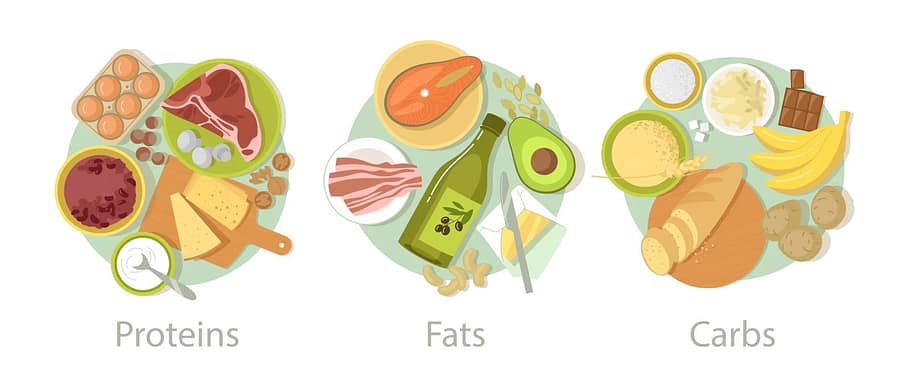
Macronutrients: The Building Blocks of Nutrition
1. Carbohydrates:
Carbohydrates are the body’s primary source of energy. They come in two main forms: simple and complex. Simple carbohydrates, found in sugars and refined foods, provide quick bursts of energy but can lead to blood sugar spikes and crashes. Complex carbohydrates, found in whole grains, legumes, and vegetables, release energy more slowly and sustainably. When aiming for weight loss, focus on consuming complex carbohydrates, as they provide a steady source of energy, reduce cravings, and aid in maintaining stable blood sugar levels.
2. Proteins:
Proteins are essential for repairing and building tissues, supporting immune function, and maintaining muscle mass. Plant-based sources of protein include legumes (beans, lentils, chickpeas), tofu, tempeh, quinoa, nuts, and seeds. When aiming for weight loss, consuming an adequate amount of protein is crucial. Protein-rich foods help you feel full and satisfied, reducing the likelihood of overeating and promoting muscle preservation during weight loss.
3. Fats:
Dietary fats play a role in hormone production, cell structure, and nutrient absorption. Healthy fats, such as those found in avocados, nuts, seeds, and olive oil, are an essential part of a balanced diet. While fats are calorie-dense, they contribute to satiety and can help regulate appetite. Incorporating moderate amounts of healthy fats into your meals can aid in weight loss by preventing excessive hunger and promoting a feeling of fullness.
Balancing Macronutrients for Weight Loss

1. Understanding Portion Sizes:
Portion control is fundamental when it comes to effective weight loss. While carbohydrates are essential, focusing on portion sizes can prevent overconsumption. Opt for whole grains like brown rice, quinoa, and whole wheat pasta. Fill your plate with non-starchy vegetables, as they’re low in calories and high in nutrients. A quarter of your plate can be dedicated to a lean protein source, such as tofu, legumes, or tempeh. Finally, include a small portion of healthy fats, like avocado or nuts, to round out your meal.
2. Meal Planning:
Planning your meals ahead of time can help you maintain a balanced intake of macronutrients. Incorporate a variety of plant-based protein sources throughout the week to ensure you’re meeting your protein needs. Include a mix of colorful vegetables and whole grains in your meals to provide essential nutrients and fiber. This combination will keep you feeling full and satisfied while supporting your weight loss goals. I HAVE ADDED A Week Of Best Vegetarian Weight Loss Meal Plan
3. Snacking Wisely:
Snacking can either support or hinder your weight loss efforts. Choose nutrient-dense snacks that combine protein, healthy fats, and fiber. For example, a handful of nuts paired with carrot sticks and hummus can provide a satisfying and balanced snack option. Avoid empty-calorie snacks that are high in refined sugars and offer little nutritional value.
4. Hydration and Mindful Eating:
Staying hydrated is often overlooked but is crucial for weight loss. Sometimes, our bodies confuse thirst with hunger, leading to unnecessary snacking. Additionally, practicing mindful eating by paying attention to hunger and fullness cues can help prevent overeating and promote a healthy relationship with food.
Conclusion
Achieving effective weight loss on a vegetarian diet involves more than just calorie counting. Understanding the roles of what are macronutrients—carbohydrates, proteins, and fats—and how to balance them is essential for sustainable results. By incorporating a variety of whole, plant-based foods and paying attention to portion sizes, meal planning, and mindful eating, you can create a diet that supports your weight loss goals while providing essential nutrients for overall well-being. Remember, the key is not to deprive yourself but to nourish your body with the right balance of macronutrients for long-term success.
-
Undisputed hit: An indie-made boxing game featuring real fighters has just sold 1m copies
-
Unfortunately, Emma Stone’s Grown Out ‘Whymsy Pixie’ Makes Me Want to Chop My Hair Off
-
Unicorn Overlord ships over 1m units globally | News-in-brief
-
Union claims Rockstar’s justification of dismissals is “littered with falsehoods and disinformation”
-
Union files formal legal claims against Rockstar amid union-busting accusations
-
Union members announce legal action against Build A Rocket Boy over layoffs
-
Union requests interim relief for employees affected by Rockstar layoffs
-
Unionised Raven workers file complaint against studio, Activision, and Microsoft
-
Unions slam Bobby Kotick’s claims that Activision Blizzard harassment reports were “fake”











Loved this post – heress my feedback –
Looking To Tone Up? Lose Extra lb’s Just By Changing What You Eat?
Download Over 50 Keto Recipes , Unleash The Flavours – http://ketodietrecipes.co.uk/
Great Read –
Kind Regards Mel
Free Keto Diet Recipes